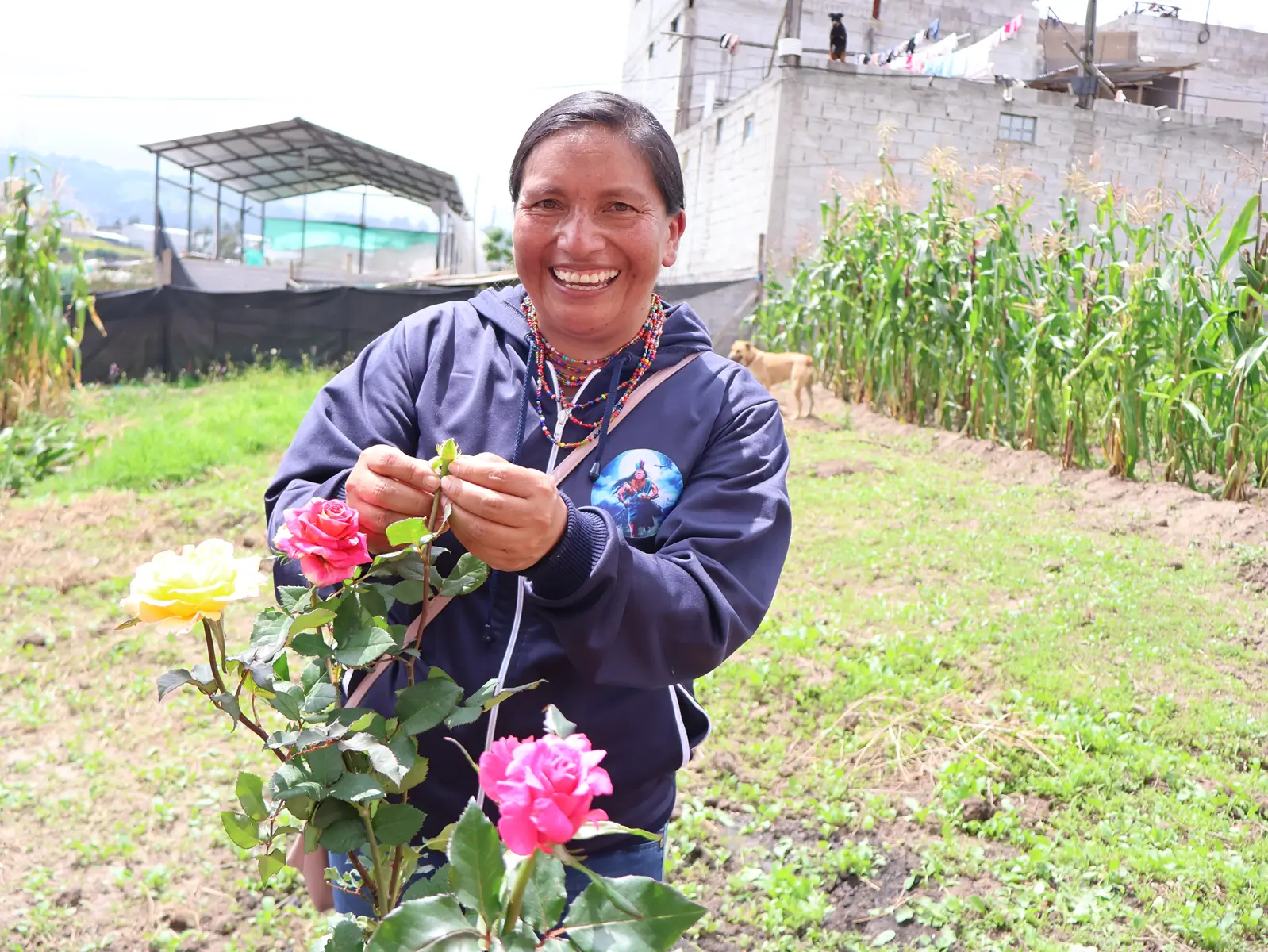
Building Safer, Stronger Communities in Pifo
In the foothills east of Quito, the community of Pifo is quietly transforming how it protects its children. What began as a project to prevent violence against children and adolescents has grown into a collective movement for care, connection, and community well-being.
The Community Project for the Prevention of Violence Against Children and Adolescents, implemented by Danielle Children’s Fund (DCF), was launched in early 2024 and co-created with more than a hundred local participants, including children, adolescents, parents, teachers and community leaders. Together, they examined the roots of everyday violence in families, schools and public spaces, and designed actions to replace fear and punishment with trust, dialogue and shared responsibility.
Over time, these spaces for reflection have become spaces for action. One of the most significant achievements has been the creation of strong collaborative relationships between young people, adults and professionals who had rarely worked together before. Through community gatherings, workshops, film screenings, fairs and cultural activities, residents have found new ways to connect, discovering that joy, play and shared experiences can be powerful tools for change.
The community itself now drives these initiatives. Families propose new activities, neighbourhood groups create their own projects, and local leaders help connect people and institutions. What began as a DCF-supported effort has become a growing network of community-led initiatives that reach more people directly and strengthen local ownership.
The project’s journey has not been without challenges. It requires constant flexibility to adapt to community priorities and rhythms. But the lessons have been profound: moving toward fully community-based support for families, valuing the creativity and resourcefulness of residents, and understanding that real protection grows from relationships built on empathy and collaboration.
As the process continues, Pifo’s families and young people are shaping their own path toward a non-violent future, one where protection is not something done for the community, but with it.