Building Brighter Futures for People and Nature Across the Andes
Across the Andean region of Latin America, local organisations are showing that the most powerful transformations begin within communities themselves. From the shores of Lake Titicaca to the hills of Lima and the river valleys of Colombia, they are reimagining how people and nature can thrive together, nurturing food sovereignty, environmental resilience, and new opportunities for those facing multiple vulnerabilities.
In Bolivia’s Katari Basin, where pollution is threatening the health and livelihoods of thousands, the Institute for Research and Action for Development (IIADI) is working with local schools and families to restore life to the rivers that flow toward Lake Titicaca. What began as an effort to clean contaminated water has grown into a shared movement for environmental stewardship. Children now learn how to protect their surroundings, and communities are discovering that collective action can rebuild both ecosystems and hope.
In Cochabamba, the Centre for Andean Communications and Development (CENDA) helps indigenous and rural families reconnect with ancestral farming practices that respect the land. Through agroecology, communities are learning to grow diverse crops that withstand drought and enrich the soil, ensuring healthy food for the future. Each family garden and school vegetable plot tells a story of renewal, of people regaining control over their food and their future.
Further north, along Colombia’s Magdalena Medio River, the Development and Peace Programme (PDPMM) is guiding young people to become guardians of peace and the environment. In schools and local groups, adolescents are exploring how empathy, care for nature, and social harmony go hand in hand. Their actions, from planting trees to mediating conflicts, are helping to heal communities once torn by violence, proving that peace can take root through care for life itself.
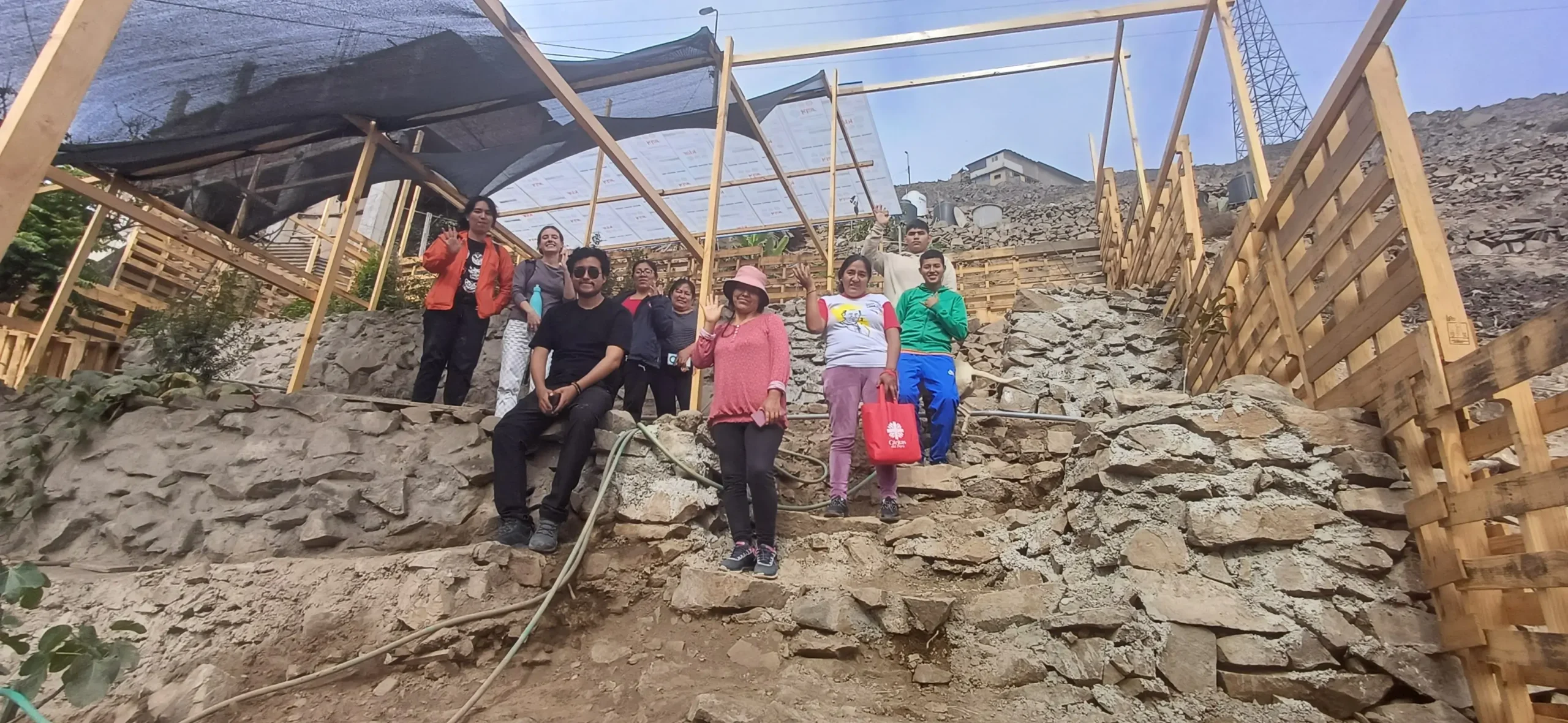
In the outskirts of Lima, the Centre for the Study and Promotion of Development (DESCO) is transforming urban challenges into opportunities for innovation. Working with women’s organisations, schools, and neighbourhood leaders, DESCO is creating eco-friendly solutions to waste and housing problems. The first projects from their Urban Environmental Innovation Lab are already turning vulnerable areas into spaces of creativity and resilience.
Warmi Huasi is empowering children and teenagers to become active citizens. Through local councils and safe community spaces, young people are learning to voice their concerns and lead local improvements, from safer public spaces to greener neighbourhoods. They are growing into leaders who see their wellbeing as inseparable from the health of their communities and environment.
Alongside this, the Centre for Research, Documentation, Advice and Population Support (CIDAP) is helping communities in northern Lima respond to climate and environmental challenges through locally led action. Through children’s eco-brigades, youth leadership and work with women’s groups and neighbourhood organisations, local people are taking practical action to protect the Lomas of Carabayllo, improve their communities and build greener, safer and more resilient neighbourhoods.”
Connected through CAFOD’s regional network (Catholic Agency for Overseas Development), these organisations are shaping a shared vision of development that grows from local knowledge, strengthens social bonds, and restores balance between people and the natural world. Across the Andes, they remind us that when communities are given the tools to care for both land and life, they create futures that are not only brighter, but lasting.